Major Airlines Adjust Middle East Routes as Airspace Disruptions Affect Global Travel
Dubai, United Arab Emirates – Major airlines including Emirates, Qatar Airways, Etihad, flydubai, SWISS, Brussels Airlines, and Air France are adjusting operations as airspace restrictions and security concerns continue to affect travel through parts of the Middle East.
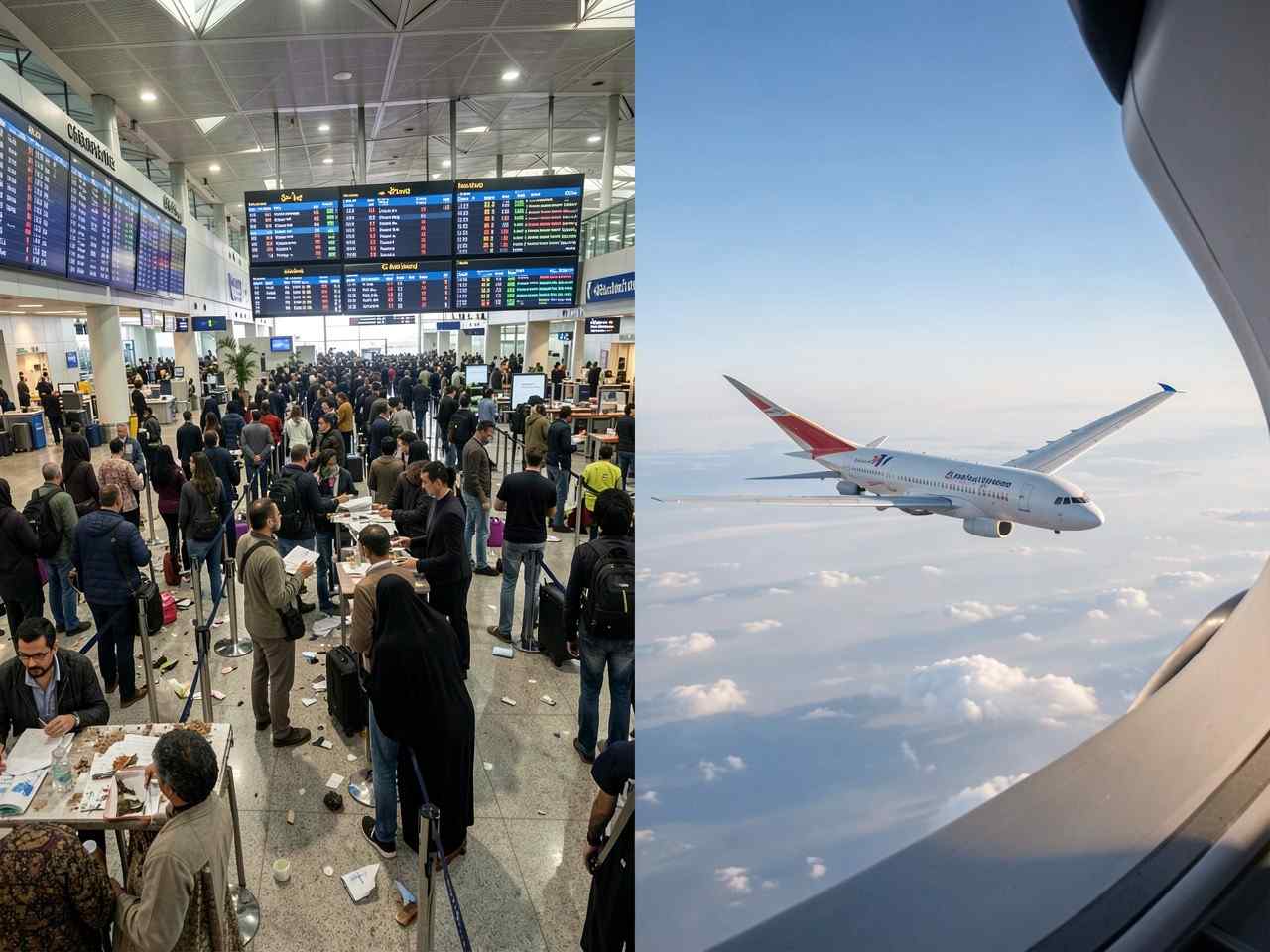
The disruption has created delays, cancellations, rerouting, and schedule changes across several international routes. For travelers flying between Europe, Asia, the Gulf, and other long-haul destinations, airline flexibility and reliable travel updates have become especially important.
Airlines Respond to Airspace Restrictions
When regional airspace becomes restricted or unstable, airlines may need to reroute flights quickly. These changes can increase flight times, raise fuel costs, and affect connection schedules, but they are part of maintaining passenger safety and operational continuity.
Gulf carriers such as Emirates, Qatar Airways, Etihad, and flydubai are central to many international travel routes linking Europe, Asia, Africa, and the Middle East. Any changes in airspace access can affect not only passengers traveling to the region, but also those using Gulf hubs for onward connections.
Passenger Flexibility Becomes More Important
During periods of uncertainty, travelers are less focused on low fares alone and more focused on whether an airline can communicate clearly, reroute efficiently, and provide support if a flight is delayed or cancelled.
Passengers affected by schedule changes may be offered rebooking, refunds, or alternative routing depending on the airline, ticket conditions, and route involved. Travelers should check airline websites and mobile apps regularly before departure.
European Airlines Review Regional Operations
European carriers including SWISS, Brussels Airlines, and Air France have also reviewed selected routes and services connected to the region. In some cases, airlines may temporarily suspend flights, change departure times, or adjust routing to avoid affected areas.
These decisions are based on aviation safety guidance, government advisories, airspace notices, and airport-level restrictions. Because these conditions can change quickly, passengers should confirm their flight status directly with the airline before going to the airport.
What Travelers Should Do Before Flying
- Check flight status often: Use the airline app, airline website, or official airport website before departure.
- Allow more connection time: Rerouted flights may take longer than originally scheduled.
- Review rebooking rules: Some airlines may offer flexible changes for affected routes.
- Keep documents ready: Passports, visas, hotel bookings, and onward tickets should be easy to access.
- Avoid tight plans: Same-day connections, prepaid hotels, and non-refundable tours carry more risk during unstable travel periods.
Impact on Long-Haul Travel
The Middle East remains one of the world’s most important aviation corridors. When airspace disruption affects this region, the impact can spread across routes between Europe, Asia, Africa, and the Gulf.
Travelers who are not visiting the Middle East directly may still experience longer flight times, changed connections, or adjusted schedules if their itinerary uses a regional hub. This is especially relevant for passengers connecting through Dubai, Doha, Abu Dhabi, and other major airports.
Key Takeaways
- Several major airlines are adjusting routes because of Middle East airspace disruption.
- Passengers may face delays, cancellations, rerouting, or schedule changes.
- Gulf carriers remain important for Europe-to-Asia and long-haul connections.
- Travelers should check official airline updates before departure.
- Flexible booking options are useful during periods of geopolitical uncertainty.
Travel advisory note: Airline routes, schedules, refund policies, and rebooking options can change quickly during periods of regional instability. Passengers should verify all details directly with their airline before departure.