Short-Stay Accommodation in Japan: Hotels, Vacation Rentals, and Home-Sharing Options
Tokyo, Japan – Short-stay accommodation in Japan includes much more than standard hotels. Travelers can choose from business hotels, ryokans, serviced apartments, vacation rentals, guesthouses, capsule hotels, and home-sharing style stays depending on the purpose and length of their trip.
As inbound travel to Japan continues to grow, accommodation choices have become an important part of trip planning. Visitors looking at Tokyo, Osaka, Kyoto, Fukuoka, Sapporo, Okinawa, and regional destinations should compare not only price, but also location, rules, transport access, check-in process, and cancellation terms.
Hotels Are Still the Easiest Option
Hotels remain the simplest choice for many travelers, especially first-time visitors. They usually offer front desk support, luggage storage, cleaning service, clear check-in procedures, and help if something goes wrong during the stay.
Business hotels are common across Japan and are often located near train stations. Rooms can be compact, but the convenience is strong. For short city stays, business trips, late arrivals, or early departures, a hotel is often the safest and easiest option.
Ryokans Offer a Traditional Stay
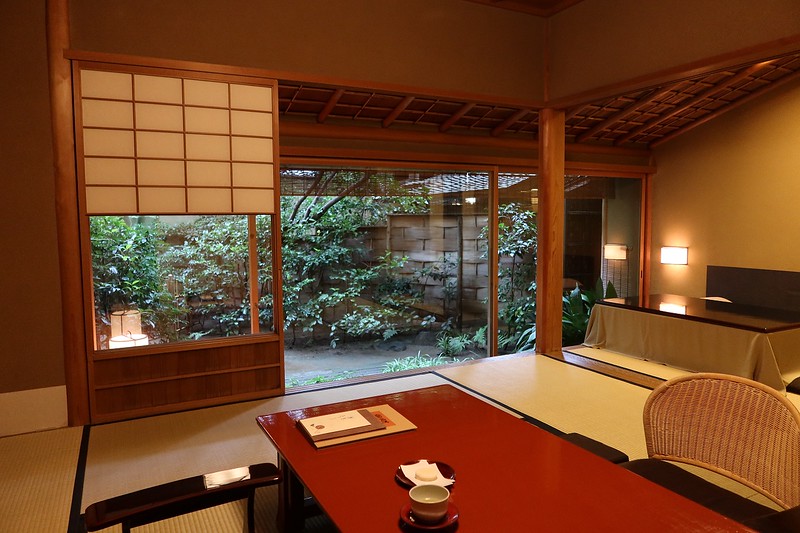
Ryokans are traditional Japanese inns and are popular with travelers who want a more cultural experience. Many ryokans include tatami rooms, futon bedding, Japanese meals, and access to hot spring baths or shared bathing facilities.
A ryokan stay can be memorable, but travelers should check the details carefully. Some properties have fixed dinner times, early check-in rules, limited transport access, or traditional house rules that may be different from a standard hotel.
Vacation Rentals and Serviced Apartments
Vacation rentals and serviced apartments can work well for families, groups, longer stays, and travelers who want more space. These properties may include kitchens, washing machines, multiple beds, and more privacy than a hotel room.
For travelers staying several nights or more, apartment-style accommodation can make daily life easier. It may also help visitors stay in residential neighborhoods rather than only in major hotel districts.
Home-Sharing and Short-Term Rental Rules
Japan has specific rules for short-term rentals and home-sharing accommodation. Travelers should pay attention to whether a property appears legally operated, professionally managed, and clearly described.
A reliable short-stay listing should include clear check-in instructions, accurate location information, house rules, emergency contacts, cancellation terms, and recent guest reviews. Travelers should be cautious with listings that have vague addresses, unclear rules, or poor communication.
What Travelers Should Check Before Booking
- Location: Check the real walking time to the nearest train or subway station.
- Airport access: Confirm the route from Haneda, Narita, Kansai, or another arrival airport.
- Room size: Hotel rooms and apartments in Japan may be smaller than expected.
- Check-in process: Hotels usually have front desks, while rentals may use lockboxes or digital entry.
- Luggage storage: Hotels often provide it, but vacation rentals usually may not.
- House rules: Review noise, garbage, smoking, and shared-space rules before booking.
- Cancellation policy: Flexible bookings are useful during typhoon season, peak travel periods, or flight changes.
Best Choice Depends on the Trip
For a short visit to Tokyo or Osaka, a hotel near a major station may be the best option. For a family trip or longer stay, a serviced apartment or vacation rental may offer better comfort and value.
For travelers visiting hot spring towns, mountain areas, or cultural destinations, a ryokan can provide a more traditional Japanese experience. For solo travelers on a budget, capsule hotels and guesthouses may also be worth considering.
Inbound Tourism and Short-Stay Demand
Japan’s growing inbound tourism market continues to support demand for different types of accommodation. Hotels remain central, but short-stay rentals, serviced apartments, and home-sharing options help serve travelers with different needs.
This wider accommodation market also supports local neighborhoods, restaurants, transport services, and regional tourism. At the same time, visitors should respect local rules, especially when staying in residential buildings or quieter communities.
Key Takeaways
- Japan offers many short-stay options, including hotels, ryokans, serviced apartments, vacation rentals, and home-sharing stays.
- Hotels are usually easiest for first-time visitors and short trips.
- Vacation rentals and serviced apartments can work well for families, groups, and longer stays.
- Ryokans are best for travelers who want a traditional Japanese accommodation experience.
- Travelers should check location, rules, reviews, legal status, and cancellation terms before booking.
Travel note: Accommodation rules, prices, availability, licensing, and check-in procedures can vary by city, property, and season. Travelers should confirm details directly with the hotel, rental platform, host, or accommodation provider before booking.