Inbound Travel to Japan Continues to Drive Demand for Hotels and Short Stays
Tokyo, Japan – Inbound travel to Japan continues to support strong demand for hotels, serviced apartments, vacation rentals, ryokans, and other short-stay accommodation across the country.
As more international visitors return to Japan, popular destinations such as Tokyo, Osaka, Kyoto, Fukuoka, Sapporo, and Okinawa are seeing continued interest from tourists, business travelers, families, and longer-stay visitors.
Japan Remains a Major Inbound Travel Destination
Japan has long been one of Asia’s most attractive travel markets. Visitors are drawn by major cities, historic temples, food culture, shopping, ski resorts, hot springs, anime and pop culture, natural scenery, and efficient public transportation.
Strong inbound travel affects not only airlines and airports, but also the accommodation market. Hotels near train stations, airport access routes, shopping districts, and major sightseeing areas can fill quickly during busy travel periods.
Hotels Benefit From Returning Visitors
Hotels remain the most common choice for many international travelers because they provide clear check-in procedures, front desk support, cleaning service, luggage storage, and convenient locations.
Business hotels, airport hotels, international hotel brands, and boutique properties all play a role in serving inbound visitors. In major cities, travelers often choose hotels based on station access, neighborhood convenience, room size, and price.
Short-Stay Accommodation Also Sees Demand
Vacation rentals, serviced apartments, and short-stay apartments are also gaining attention from travelers who want more space or more flexible living arrangements. These options can be useful for families, longer trips, remote work, and repeat visitors who prefer a neighborhood-style stay.
Short-stay accommodation can also help absorb demand when hotels are expensive or fully booked during peak seasons. However, travelers should still check that rentals are properly managed and that house rules, check-in instructions, and cancellation policies are clear.
Busy Seasons Can Put Pressure on Availability
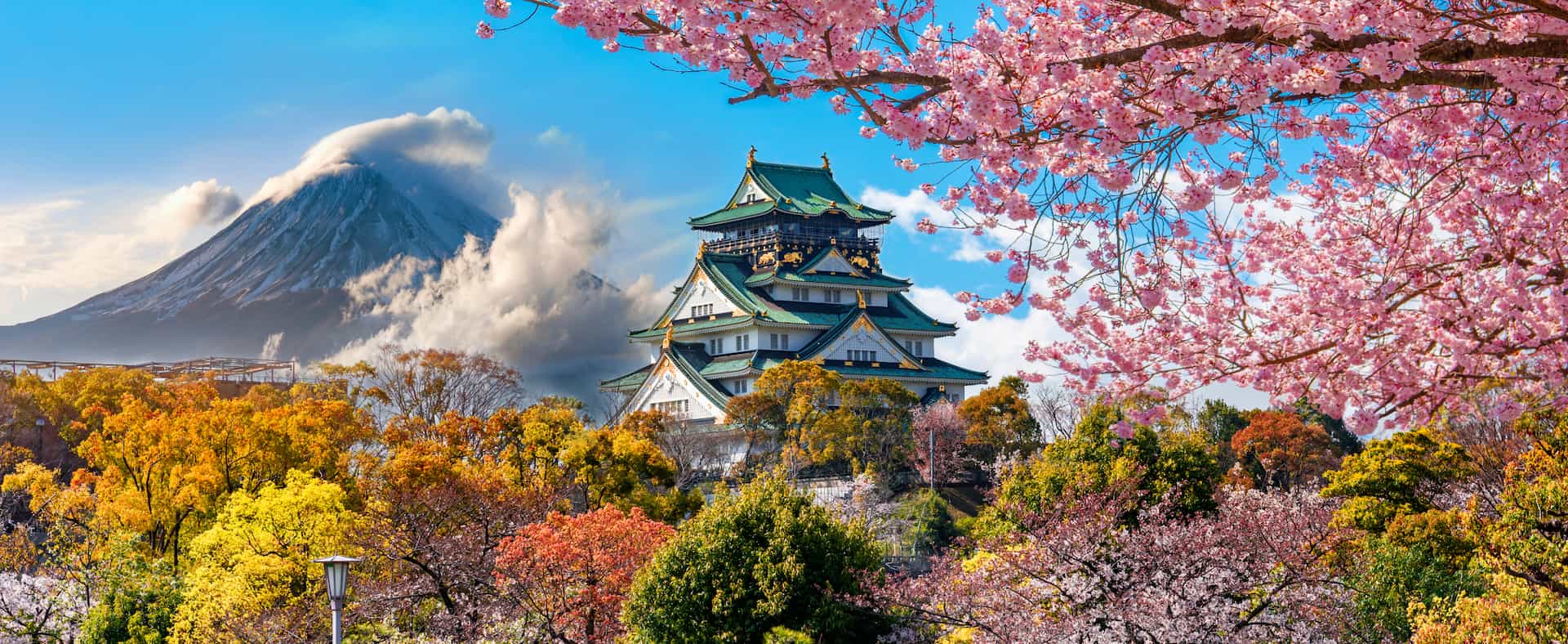
Accommodation demand in Japan often rises during cherry blossom season, autumn foliage season, Golden Week, New Year travel, school holidays, festivals, concerts, and major business events.
During these periods, prices can increase and last-minute choices may become limited. Travelers planning to visit Japan during peak demand should book early and consider flexible cancellation options where possible.
Regional Travel Creates New Opportunities
Inbound travel is not limited to Tokyo, Osaka, and Kyoto. More visitors are exploring regional destinations such as Hokkaido, Kyushu, Shikoku, Tohoku, Chubu, and Okinawa.
This wider travel pattern can create more demand for local hotels, ryokans, guesthouses, and short-stay properties outside the largest cities. It also supports local restaurants, transport providers, tour operators, and shopping areas.
What Travelers Should Consider
- Book early: Popular hotels and rentals may sell out during peak seasons.
- Check station access: A property near reliable public transportation can save time every day.
- Compare stay types: Hotels, ryokans, serviced apartments, and rentals each work better for different trips.
- Review cancellation rules: Flexible bookings help if flights, weather, or schedules change.
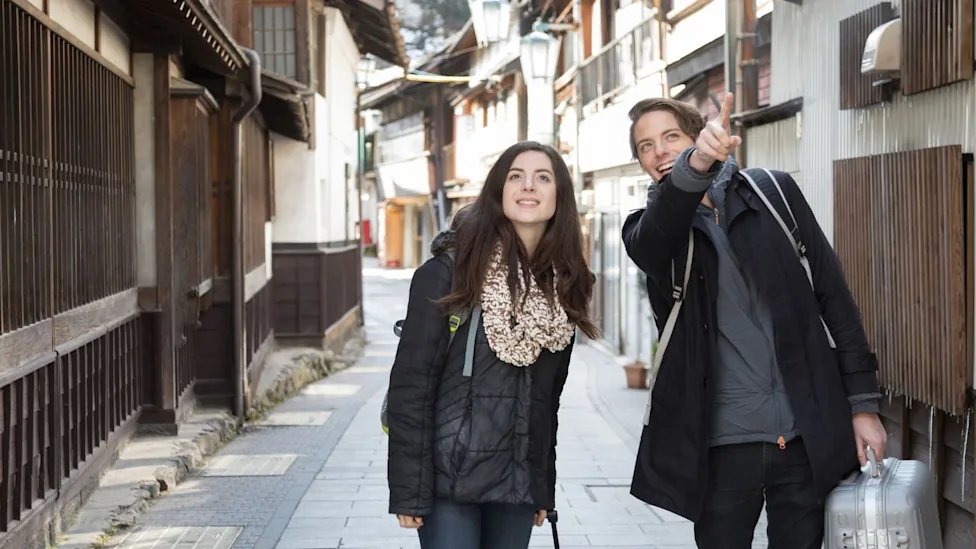
- Confirm luggage options: Not every short-stay property offers luggage storage before check-in or after checkout.
Impact on Japan’s Travel Market
The continued growth of inbound travel supports Japan’s wider tourism economy. Airlines, airports, hotels, rail operators, restaurants, retailers, and local attractions all benefit when international visitor demand remains strong.
At the same time, strong demand can make trip planning more important. Travelers who wait too long may face higher prices, less convenient locations, or fewer accommodation choices.
Key Takeaways
- Inbound travel continues to support demand for hotels and short stays in Japan.
- Tokyo, Osaka, Kyoto, Fukuoka, Sapporo, and Okinawa remain important travel markets.
- Hotels are still the easiest option for many international visitors.
- Vacation rentals and serviced apartments can work well for families and longer stays.
- Travelers should book early during busy seasons and check cancellation policies carefully.
Travel note: Hotel availability, short-stay rules, prices, and booking conditions can vary by city, season, and property. Travelers should confirm details directly with hotels, rental platforms, or accommodation providers before booking.