Japan Accommodation News: Hotels, Ryokans, Apartments, and Vacation Rentals
Tokyo, Japan – Japan’s accommodation market continues to evolve as travelers look beyond standard hotels and compare a wider range of stays, including ryokans, serviced apartments, vacation rentals, capsule hotels, guesthouses, and short-stay properties.
For visitors planning a trip to Japan, the choice of accommodation can shape the entire travel experience. Location, room size, transport access, price, cancellation rules, and check-in process all matter, especially during busy travel seasons.
Hotels Remain the Core of Japan Travel
Hotels remain the most familiar option for international visitors. From major hotel brands and airport hotels to compact business hotels near train stations, Japan offers many hotel choices across Tokyo, Osaka, Kyoto, Fukuoka, Sapporo, Okinawa, and regional cities.
Hotels are often the easiest choice for first-time visitors because they usually provide front desk support, luggage storage, cleaning service, clear check-in procedures, and reliable access to public transportation.
Ryokans Offer Traditional Japanese Hospitality
Ryokans continue to play an important role in Japan’s travel market. These traditional inns are especially popular in hot spring areas, mountain towns, historic districts, and regional destinations where travelers want a more cultural stay.
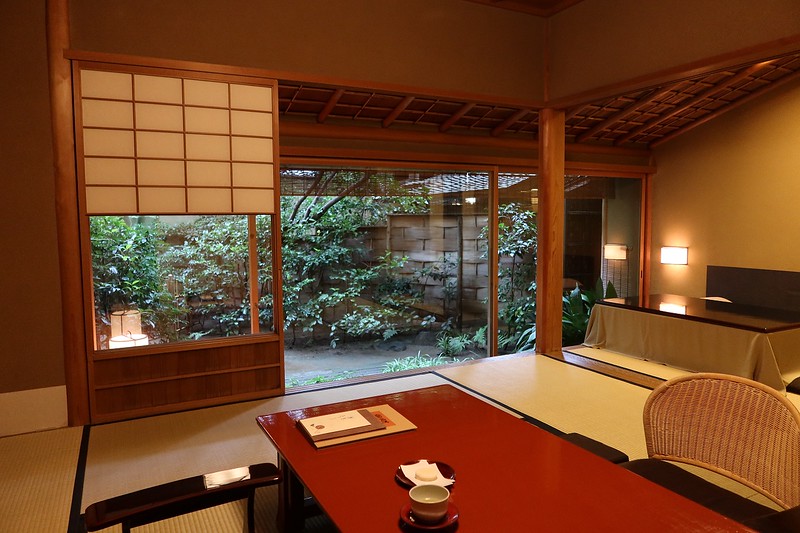
A ryokan stay may include tatami rooms, futon bedding, Japanese meals, shared or private baths, and a slower travel experience. Travelers should check meal times, bathing rules, location, and transport access before booking.
Serviced Apartments and Short Stays Grow in Popularity
Serviced apartments and short-stay rentals are becoming more attractive for families, business travelers, remote workers, and visitors planning longer trips. These stays may offer more space, kitchens, laundry facilities, and a neighborhood-style experience.
In large cities, short-stay apartments can be useful for travelers who want to stay outside the main hotel districts while still having access to trains, restaurants, shops, and daily services.
Vacation Rentals Need Careful Checking
Vacation rentals can be convenient, but travelers should check details carefully before booking. Japan has rules for short-term rentals, and local requirements may vary by city, building, and property type.
Before booking, visitors should review the listing, host communication, check-in instructions, registration details, recent reviews, house rules, garbage rules, and cancellation policy. A legally operated and professionally managed rental can make the stay much smoother.
What Travelers Should Compare
- Location: A property near a train or subway station can save time every day.
- Room size: Rooms and apartments in Japan may be smaller than expected.
- Check-in process: Hotels usually have front desks, while rentals may use lockboxes or digital entry.
- Luggage storage: Hotels often offer this, but short-stay rentals may not.
- Cancellation rules: Flexible bookings are useful during peak seasons or bad weather.
- House rules: Vacation rentals may have strict rules for noise, garbage, smoking, and shared spaces.
Accommodation Demand During Peak Seasons
Japan’s accommodation market can become very busy during cherry blossom season, autumn foliage season, Golden Week, New Year holidays, major festivals, concerts, and large business events.
During high-demand periods, travelers may see higher prices and fewer available rooms. Booking early is usually the safer approach, especially in Kyoto, Tokyo, Osaka, Hokkaido ski areas, and Okinawa beach destinations.
Regional Stays Are Also Important
Travel demand is spreading beyond Japan’s largest cities. More visitors are exploring regional destinations, which supports hotels, ryokans, guesthouses, and vacation rentals in places such as Hokkaido, Kyushu, Shikoku, Tohoku, Chubu, and Okinawa.
This creates more accommodation choices, but it also makes planning more important. In smaller towns, late check-in, limited public transport, and fewer English-language services can affect the travel experience.
Key Takeaways
- Japan offers many accommodation types, including hotels, ryokans, apartments, and vacation rentals.
- Hotels are usually easiest for first-time visitors and short city stays.
- Ryokans are best for travelers seeking traditional Japanese hospitality.
- Serviced apartments and short stays can work well for families and longer trips.
- Vacation rentals should be checked carefully for rules, registration, location, and reviews.
Travel note: Accommodation prices, rules, licensing, check-in procedures, and availability can vary by property, city, and season. Travelers should confirm details directly with the hotel, rental platform, host, or accommodation provider before booking.