Japan Hotels and Stays: What Travelers Should Know Before Booking
Tokyo, Japan – Japan offers a wide range of places to stay, from international hotels and business hotels to ryokans, serviced apartments, capsule hotels, vacation rentals, and short-stay accommodations. For travelers planning a trip, choosing the right type of stay can make a major difference in comfort, convenience, and overall cost.
With inbound travel to Japan continuing to grow, hotels and short-stay options in major destinations such as Tokyo, Osaka, Kyoto, Fukuoka, Sapporo, and Okinawa can become busy quickly. Booking early and understanding the differences between accommodation types can help travelers avoid last-minute problems.
Hotels Remain the Main Choice for Many Visitors
Hotels are still the easiest option for many international travelers visiting Japan. They usually offer front desk support, luggage storage, cleaning service, clear check-in procedures, and convenient access to train stations or airport transport.
Business hotels are especially common in Japanese cities. These properties often provide compact rooms, reliable service, and good locations near stations. They are practical for solo travelers, business visitors, and tourists who plan to spend most of their time outside the room.
Ryokans Offer a More Traditional Stay
Ryokans are traditional Japanese inns and are often popular with travelers looking for a more cultural experience. Many include tatami rooms, futon bedding, Japanese meals, and sometimes access to hot spring baths.
These stays can be memorable, but travelers should check the rules before booking. Some ryokans have fixed dinner times, shared bathing areas, early check-in limits, or location challenges if they are outside major city centers.
Vacation Rentals and Apartments Can Work for Longer Stays
Vacation rentals, serviced apartments, and short-stay apartments can be useful for families, longer visits, or travelers who want more space. They may include a kitchen, washing machine, separate sleeping areas, and a more local neighborhood experience.
However, travelers should confirm that the property is legally operated and that check-in instructions are clear. Japan has specific rules for short-term rentals, and some buildings may have restrictions on guest stays, noise, garbage disposal, and shared spaces.
What to Check Before Booking
- Location: Staying near a train or subway station can save time every day.
- Room size: Hotel rooms in Japan can be smaller than travelers expect.
- Check-in time: Many hotels do not allow early check-in unless arranged in advance.
- Luggage storage: Confirm whether the property can hold bags before or after your stay.
- Cancellation rules: Flexible bookings are useful during busy seasons or weather disruptions.
- Legal status: For vacation rentals, check that the listing appears properly registered and professionally managed.
Busy Seasons Can Affect Prices
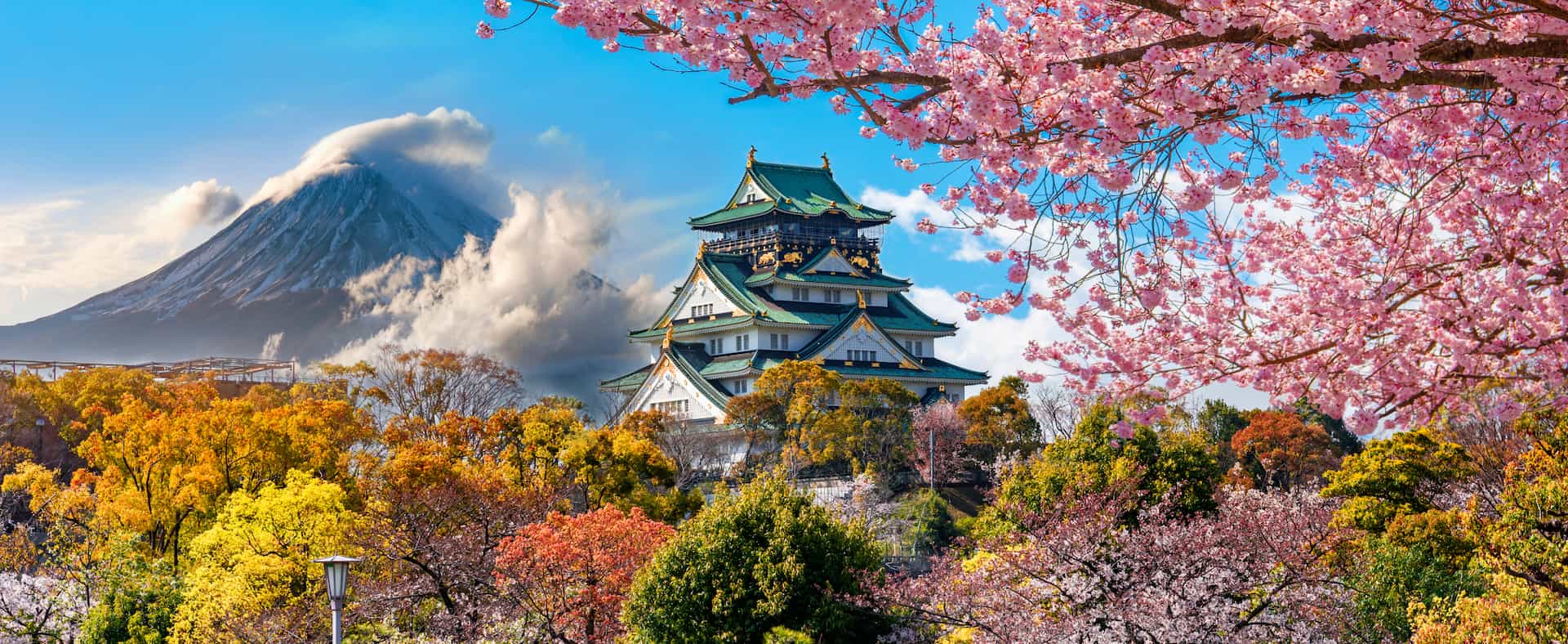
Accommodation prices in Japan can rise sharply during cherry blossom season, autumn foliage season, Golden Week, New Year travel, major concerts, festivals, and large business events. Kyoto, Tokyo, Osaka, and popular resort areas can become expensive during peak periods.
Travelers planning to visit during high-demand periods should book early and avoid relying on last-minute availability. Staying slightly outside the most crowded districts can sometimes provide better value while still keeping easy access to transportation.
Airport Access Matters
For travelers arriving late or leaving early, airport access should be part of the booking decision. Tokyo visitors should consider the difference between Haneda Airport and Narita International Airport, while travelers visiting western Japan may use Kansai International Airport near Osaka.
A hotel that looks close on a map may still require several train transfers. Checking the actual route from the airport to the accommodation can prevent problems after a long flight.
Key Takeaways
- Japan offers hotels, ryokans, serviced apartments, capsule hotels, and vacation rentals.
- Hotels are often easiest for first-time visitors because of support and clear procedures.
- Ryokans are better for travelers who want a traditional Japanese experience.
- Vacation rentals can work well for families and longer stays, but rules should be checked carefully.
- Location, station access, room size, luggage storage, and cancellation rules matter before booking.
Travel note: Accommodation rules, prices, availability, and check-in procedures can vary by property and season. Travelers should confirm details directly with the hotel, rental platform, or accommodation provider before booking.